
If your council or housing association has failed to carry out necessary repairs, you may be entitled to compensation. Our housing disrepair solicitors can assess your circumstances, explain your legal options and help you pursue a housing disrepair claim. Get free, no-obligation advice today.
Complete the form below for a free, no-obligation assessment.
Subject to eligibility and the terms of your agreement.
Help with housing disrepair enquiries.
Initial review with no obligation to proceed.
Your personal information is handled securely.
Councils and housing associations have legal responsibilities to maintain certain parts of their rented properties and address qualifying repair problems.
If your landlord has failed to address issues such as damp, mould, leaks, heating problems or structural defects, you may be able to pursue a housing disrepair claim.
The options available depend on the circumstances, including the landlord's responsibilities and the evidence of the problems reported.
Find out if you can claim →
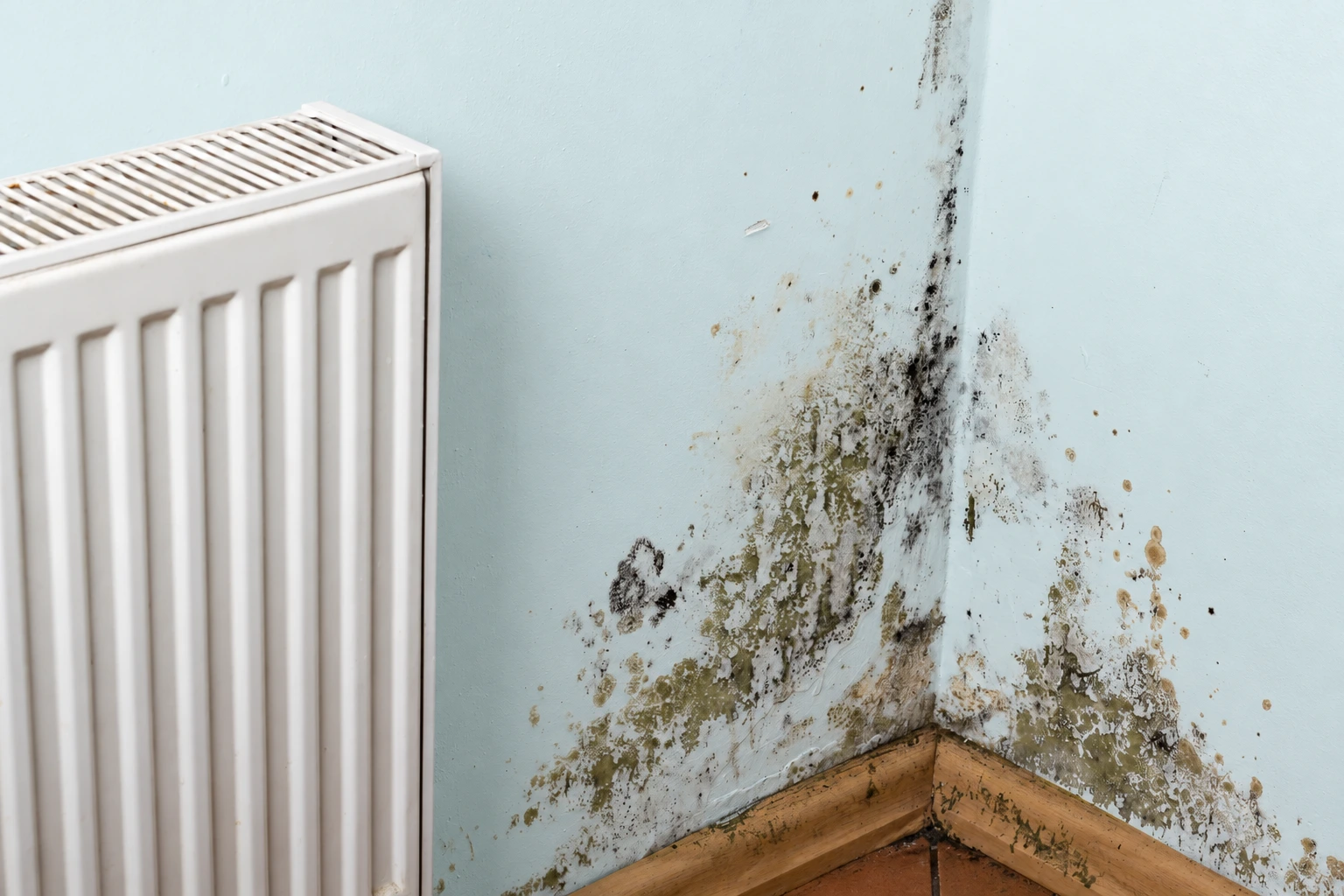
Different types of housing disrepair may give rise to a claim, including:

Persistent damp and mould affecting rooms and living conditions.
Roof leaks, defective pipes and water entering your home.

Faulty heating systems or inadequate hot water supply.
Cracks, subsidence and other structural repair problems.

Defective windows, doors, electrical installations or pests.

General damages compensate tenants for the inconvenience, discomfort and loss of enjoyment of their home caused by housing disrepair.
The amount depends on the severity of the problems, how long they have continued and the impact on your living conditions.

Special damages cover certain financial losses directly caused by housing disrepair.
These may include damaged belongings, reasonable additional heating costs, cleaning expenses or temporary accommodation where necessary.
If you are a council or housing association tenant experiencing unresolved repair problems, speak to our team about your circumstances.
We can explain whether you may have grounds to pursue a claim and what happens next.
Get in touch →
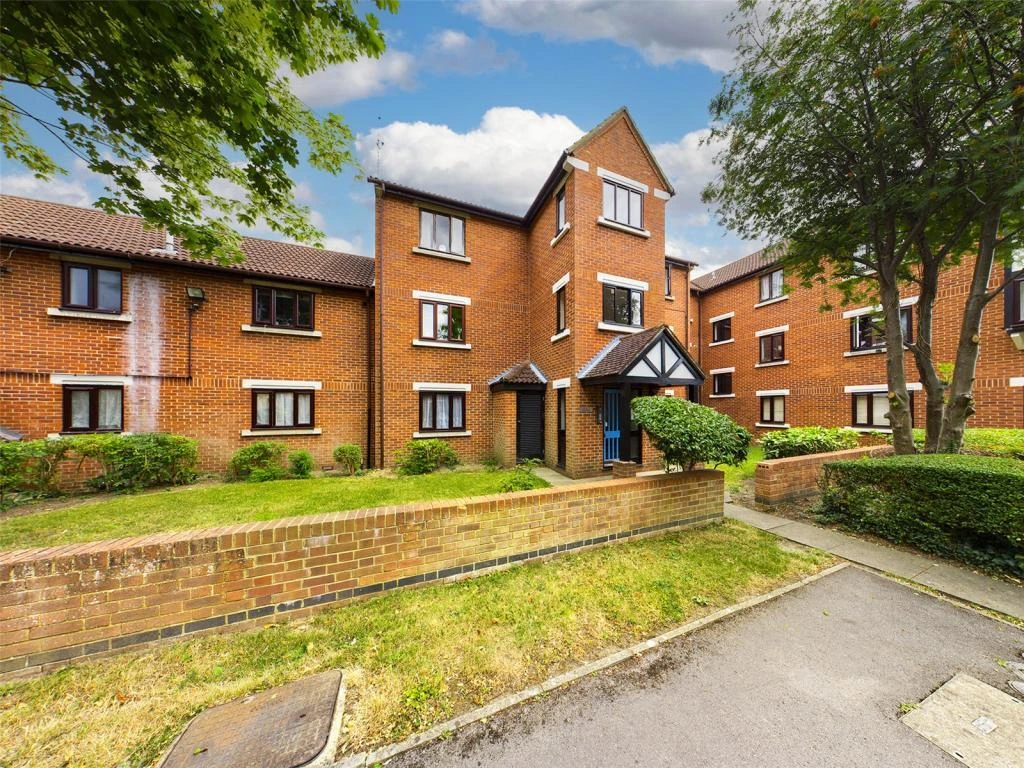
Find answers to common questions about housing disrepair solicitors, compensation claims, damp and mould, and your rights as a council or housing association tenant.
Speak to our team about the repair problems affecting your home and find out what legal options may be available.
Get in touch →Housing disrepair solicitors help tenants take legal action where their landlord has failed to meet their responsibilities for maintaining a rented property.
This may involve damp, mould, leaking roofs, faulty heating, plumbing defects or other conditions affecting the home.
A solicitor can assess the circumstances, review evidence and advise whether a housing disrepair claim may be appropriate. Depending on the case, a claim may seek repairs, compensation or both.
Council housing disrepair claims may be possible where a local authority has failed to carry out repairs for which it is legally responsible.
Examples include persistent damp and mould, water leaks, defective heating systems and structural problems.
Whether you have a valid claim depends on the nature of the defects, the council's legal obligations, its knowledge of the problems and the steps taken to address them.
Housing association disrepair claims may be available to tenants whose housing association has failed to address repair problems covered by its legal responsibilities.
If you have reported damp, mould, leaks, heating problems or other defects and the issues remain unresolved, you may wish to obtain legal advice.
A housing disrepair solicitor can assess the available evidence and explain whether there are grounds to pursue a claim.
Damp and mould claims may be possible where the problems arise from conditions for which your landlord is legally responsible.
For example, persistent mould caused by water penetration, leaks or structural defects may form the basis of a claim.
The presence of damp or mould does not automatically establish landlord liability. The cause, the landlord's responsibilities and the individual circumstances must be considered.
Housing disrepair compensation depends on the individual circumstances of the claim. There is no fixed amount payable for a particular repair problem.
Relevant factors may include the seriousness and duration of the disrepair, the rooms affected, the loss of enjoyment of your home and any financial losses directly resulting from the problems.
Compensation may include general damages for inconvenience and loss of amenity, together with special damages for proven financial losses.
Some housing disrepair solicitors offer No Win No Fee arrangements, usually through a Conditional Fee Agreement (CFA).
Under this type of agreement, whether you pay legal fees depends on the terms of the agreement and the outcome of your case.
No Win No Fee does not necessarily mean there is no financial risk. You may still be responsible for certain expenses, insurance premiums or other costs.
Your solicitor should explain the funding terms, possible deductions and potential liabilities before you proceed.
Evidence can help establish the condition of your home, when the landlord became aware of the defects and how the disrepair has affected you.
Not every claim requires all these documents. Housing disrepair solicitors can advise on the evidence relevant to your case.
In many housing disrepair claims, it is important to establish that the landlord knew, or should have known, about the problems and had an appropriate opportunity to address them.
You should normally report repair problems promptly and keep a record of communications.
However, the position depends on the type of defect and the landlord's legal obligations. A lack of written complaints does not automatically prevent a claim.
The time required to resolve housing disrepair claims varies depending on the circumstances.
Some claims can be resolved through negotiations with the landlord. Others require independent inspections, further evidence or court proceedings.
The landlord's response, disputed issues and the repairs required can all affect the timescale. No particular timeframe or outcome can be guaranteed.
You may be able to recover financial losses where belongings have been damaged as a direct result of housing disrepair for which your landlord is legally responsible.
This could include furniture, clothing, carpets or other possessions affected by damp, mould or leaks.
Compensation is generally assessed according to the actual loss suffered. An item's age, condition and value may be relevant, and full replacement costs are not automatically recoverable.
It may still be possible to make a housing disrepair compensation claim after the repairs have been completed.
Whether compensation is recoverable depends on the circumstances, including any previous breach of duty, the duration of the problems, their effects and applicable legal time limits.
Completing repairs does not necessarily resolve a claim for losses already suffered.
If your council or housing association has failed to address repair problems, you can begin by seeking advice from housing disrepair solicitors.
An initial assessment will normally consider the property, the defects, when they began, whether they were reported and how they have affected you.
If there are potential grounds for a claim, a solicitor can explain the legal options, likely costs and possible next steps.
Submitting an enquiry does not guarantee that a claim will be accepted or that compensation will be recovered.